
 Facebook
 X
 Pinterest
 Copy Link
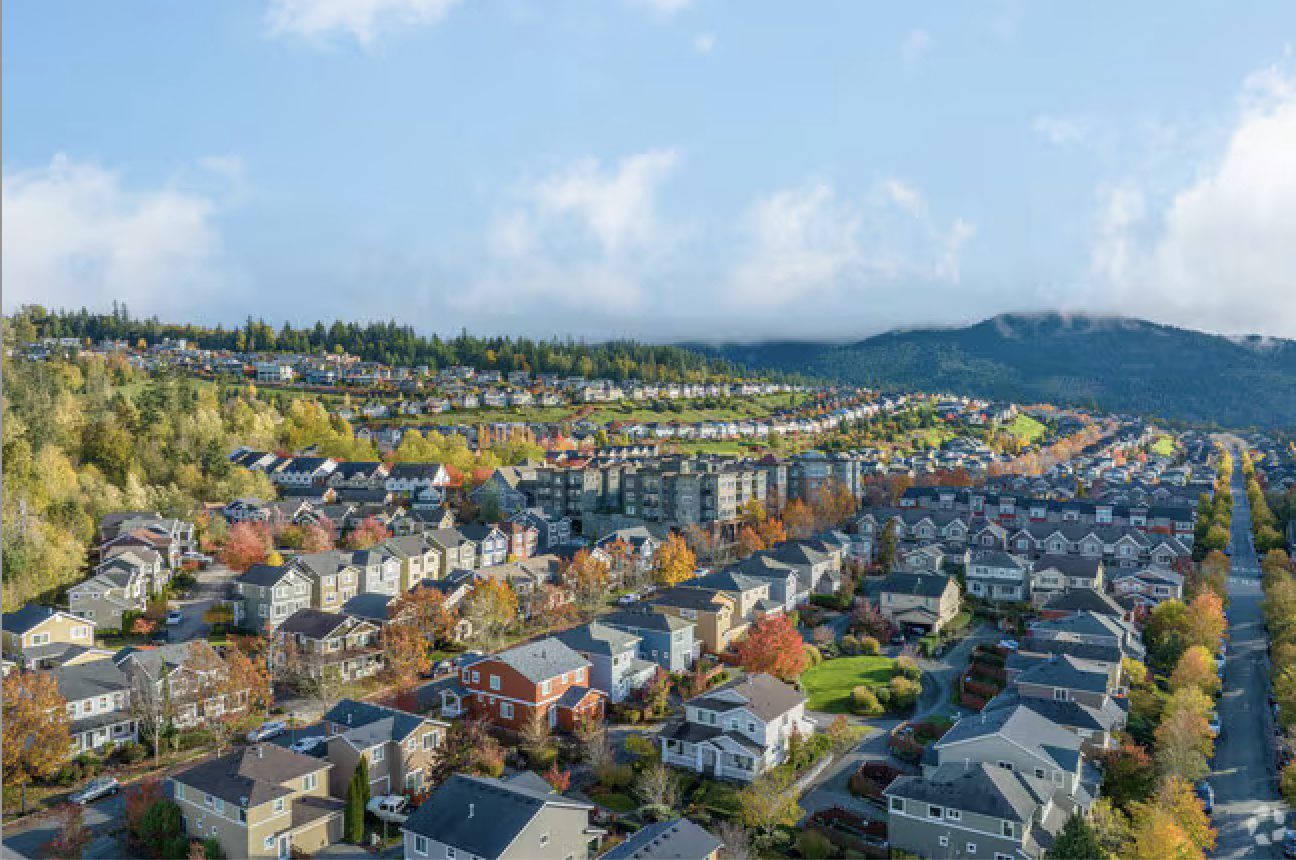
Selling a home in Issaquah isn’t the same as selling a home in Bellevue or Kirkland, even though all three are in the same general Eastside market. The I-90 corridor has its own rhythm, its own buyer pool, and its own pricing quirks. If you are thinking about listing, here is what the process actually looks like here, start to finish.
Why Issaquah Is Its Own Market
Issaquah sits at the foothills of the Cascades, which means you get a different kind of buyer than you do closer to Seattle. Some are coming from tech jobs in Bellevue or Redmond and want more space for their money. Some are drawn specifically to the trails, the community feel, and the schools. And a good number are trading up from smaller homes on the east end of the I-90 corridor.
That mix matters when you price and market your home. A pricing strategy that works in Bellevue does not automatically translate here, especially in the fall and winter months when buyer traffic slows across the Eastside but motivated buyers are still very much active.
Step One: Figure Out What Your Home Is Actually Worth
The first step is getting an honest, local read on your home’s value. I am not talking about a Zestimate. Automated tools are notoriously imprecise on the I-90 corridor because the homes here vary so widely, older ramblers next to new construction, hillside lots next to flat ones, homes with territorial views and homes without.
A proper comparative market analysis looks at what has actually sold in Issaquah in the last 90 days, adjusts for condition, lot, square footage, and finishes, and accounts for where the market is trending right now. If you want a real starting point, that is the conversation to have before you do anything else.
Some sellers also benefit from a quick walk-through before that conversation. I have been building homes since 1987, and I can usually spot in one visit what will get flagged in an inspection or what a buyer will use to negotiate you down. Knowing that early gives you choices.
Step Two: Prep the Home, But Do Not Over-Invest
One of the most common mistakes Issaquah sellers make is spending money in the wrong places. Upgraded countertops will not necessarily return dollar for dollar in this market. Buyers here tend to respond to condition, cleanliness, and the feeling that the home has been well cared for.
In my experience, the things worth addressing before you list are usually the ones a buyer’s inspector would flag: roof condition, any evidence of water intrusion, HVAC service records, and the state of the deck or any outdoor structures. On the I-90 corridor specifically, where much of the inventory is 1980s and 1990s construction, buyers expect some age, but they want to know it has been maintained.
A fresh coat of paint in a neutral tone, clean, decluttered rooms, and strong outdoor photos of the lot can do more for your sale price than a kitchen renovation.
Step Three: Set the Right Price From the Start
Pricing is the single biggest lever you have. In Issaquah’s market, homes that come in priced right tend to move faster than the roughly 60-day average days on market currently reported for Issaquah listings (single-family homes are averaging closer to 46 days, per Rexmont, November 2026). Homes that come in high and chase the market down take longer and often sell for less than they would have if priced correctly on day one.
Seasonal timing matters here too. Fall and early winter are quieter for showings, but the buyers who are out are serious. That is actually a window some sellers use to their advantage: less competition from other listings, buyers who are motivated, and a smoother process overall.
Step Four: List, Market, and Negotiate
Once the home is ready and priced, it goes live on the MLS and across the marketing channels. Professional photography is non-negotiable, and in a market where many buyers come from tech backgrounds, online presentation matters enormously.
Offers come in, and that is where having an experienced negotiator in your corner pays off. It is not just about the top-line price. Terms matter. Close date, inspection contingencies, financing type, and what the buyer is asking for in the way of repairs or credits all affect what you actually net at the end.
Step Five: Inspection, Appraisal, and Closing
Once you are under contract, the buyer will schedule an inspection. If you have done the prep work upfront, most of what comes back will be minor, and you will have context for it. We will work through any requests together and keep the transaction on track.
If the buyer is financing, an appraisal follows. The appraisal needs to come in at or above the sale price. A good comp strategy going in makes that less of a surprise.
Closing in Washington State typically takes about 30 to 45 days from mutual acceptance, depending on financing and the escrow company’s schedule. Your escrow company handles the paperwork, and at closing, you sign and receive your proceeds.
The Builder’s Eye, Used on Your Behalf
What I bring to a seller in Issaquah that most agents do not is the ability to look at your home the way a builder looks at it, and the way a buyer’s inspector is going to look at it, before we ever go to market. That means fewer surprises during the transaction and a better net result for you.
I also offer a full commission-back guarantee. If you don’t feel I have earned my commission by the time we close, I’ll give it back. That is not something most agents offer, and I offer it because I believe the work speaks for itself.
If you are thinking about selling in Issaquah and want to know what your home is worth and what a sale would actually look like from start to finish, I am happy to walk through it with you at no obligation.
Kelly Kemp is a Realtor with Windermere Real Estate / Central, Inc. and co-owner of a custom home building company that has built nearly 200 homes on the Eastside and in Snohomish County since 1987. Information deemed reliable but not guaranteed. For current market data, consult your local MLS or a licensed real estate professional.
